
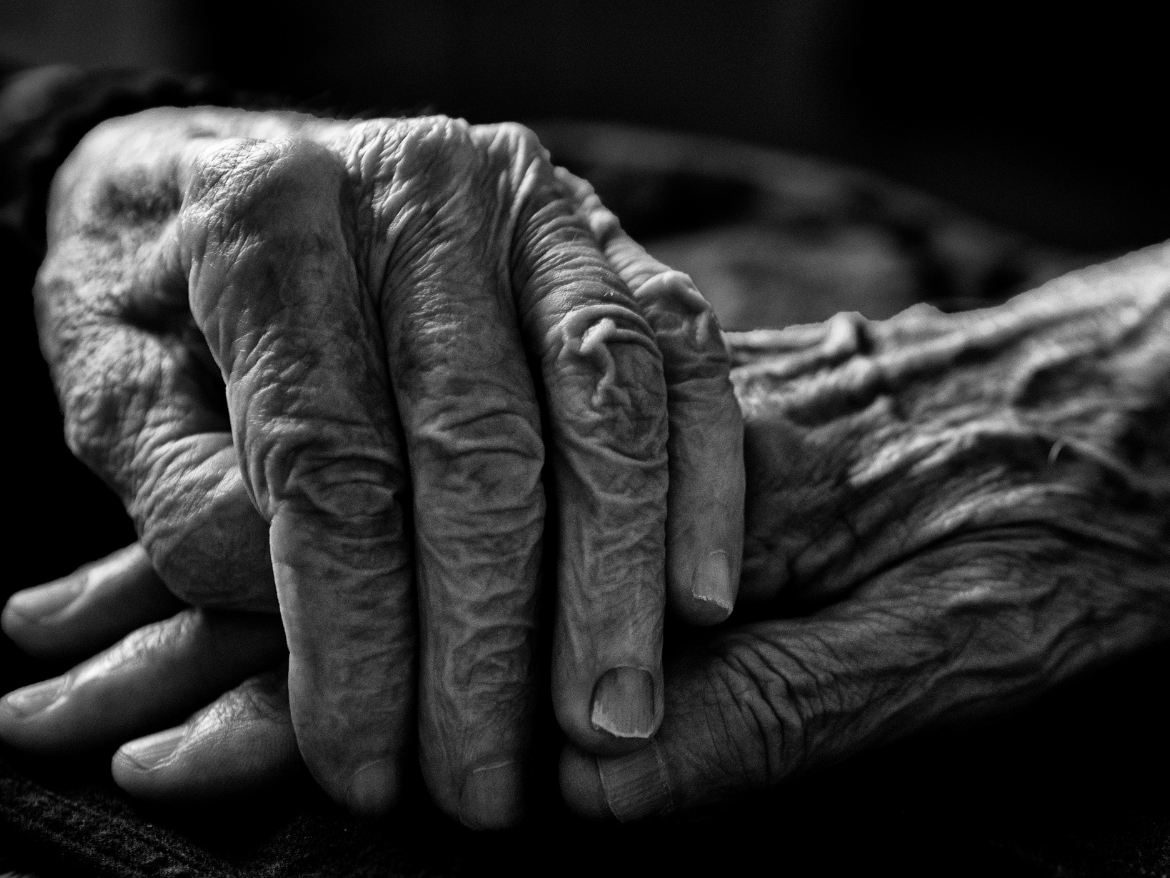
Signs It Might Be Time to Consider a Care Home
There’s no set time when an elderly person should go into a care home. However, there’s a quiet sort of shift that happens.
You visit your mum, and the kettle is still warm, but there’s no tea. The milk is in the cupboard. Her blouse is buttoned wrong. You pretend not to notice. These moments come gently at first, like a change in weather, and then one day, they’re part of the furniture.
You start making the tea yourself.
We don’t talk about it straight away. We tell ourselves she’s tired, distracted, or maybe it’s the heat. You suggest she write things down. She agrees and forgets. You try again. She nods and smiles. Then the gas is left on.
It’s never one big thing. It’s the build-up.
She forgets names she’s known forever
Not the new neighbour or the girl at the pharmacy, but family—grandchildren, sometimes even you. It is hard to accept. You try to brush past it, but the weight stays with you, like damp in the walls.
She’ll ask where your father is. He died ten years ago. You say it again. And again.
There are bruises, and no reasons
One sign to look out for is signs of falls. You might notice a bruise. She says she tripped on the rug, but the rug’s been gone for months. She says she’s fine, but you notice she moves differently, more slowly, more cautiously. There’s a kind of nervousness in how she holds onto things.
The bathroom light is left on all night. Her walking stick stays by the chair.
Meals are skipped or eaten cold
You find tins half-opened, milk gone sour in the fridge. A whole loaf of bread sits untouched while a plate of toast curls at the edges. You ask what she had for lunch, and she can’t remember.
Sometimes, she might say she’s already eaten, even though the microwave’s still flashing 00:00 with a plate of food inside.
The house tells a story
Laundry piles up. The bin overflows. There’s dust in the corners and maybe a strange smell you can’t quite place, as a plate of food has been left in a cupboard.
The woman who once folded towels in perfect thirds now wears the same jumper every day. Not because she wanted to but because she forgot she wore it the previous day.
She avoids going out
There was a time your mum liked to go to the shops. A trip to the library meant seeing friends. Now she stays in. Curtains drawn, phone unanswered. You ask why she didn’t attend her club meeting, and she shrugs.
“It’s too much effort,” she says. Or, “I don’t like being out on my own.”
You offer to take her, but she waves it away.
Medication is missed or doubled
Blister packs are meant to help us remember to take them, but now they don’t. You find tablets on the floor or see she’s taken two days’ worth by mistake. You speak to the doctor again. They suggest someone come by to help.
You try. You visit more often, bring meals, check the post, and remind her to drink water.
But you’re tired, you have your own life to run, and besides, the help you can give is not enough.
The nights are longer than they should be
You call late. She doesn’t answer. When she does, she sounds confused, as if waking from a dream.
She says she hears noises. That someone knocked on the window.
You lie awake, worrying if she’ll open the door to a stranger. You feel panicky that she’ll fall in the night and no one will know until morning.
There’s no perfect moment to make the decision.
But when fear becomes constant, when visits turn into inspections, when your heart is in your throat every time the phone rings—you must consider it might be time.
Not because you’ve failed but because love looks different now. It’s not flowers and biscuits and Sunday visits. It’s safety and peace of mind—knowing she’ll have someone nearby when she needs help getting out of bed.
You’re not giving up. You’re letting her be cared for properly daily by people trained for it. In a care home, people will notice if she’s eaten, sad, needs more blankets, or just a chat.
It won’t be easy. But neither is watching her fade away, one missed pill at a time.
Contact Us
If you have an elderly relative and are unsure if the time is right for a care home, please don’t hesitate to contact us for advice.